We Held the Workshop “Türkiye and the Kurds: Social Transformation, the Process and New Dynamics” in Van
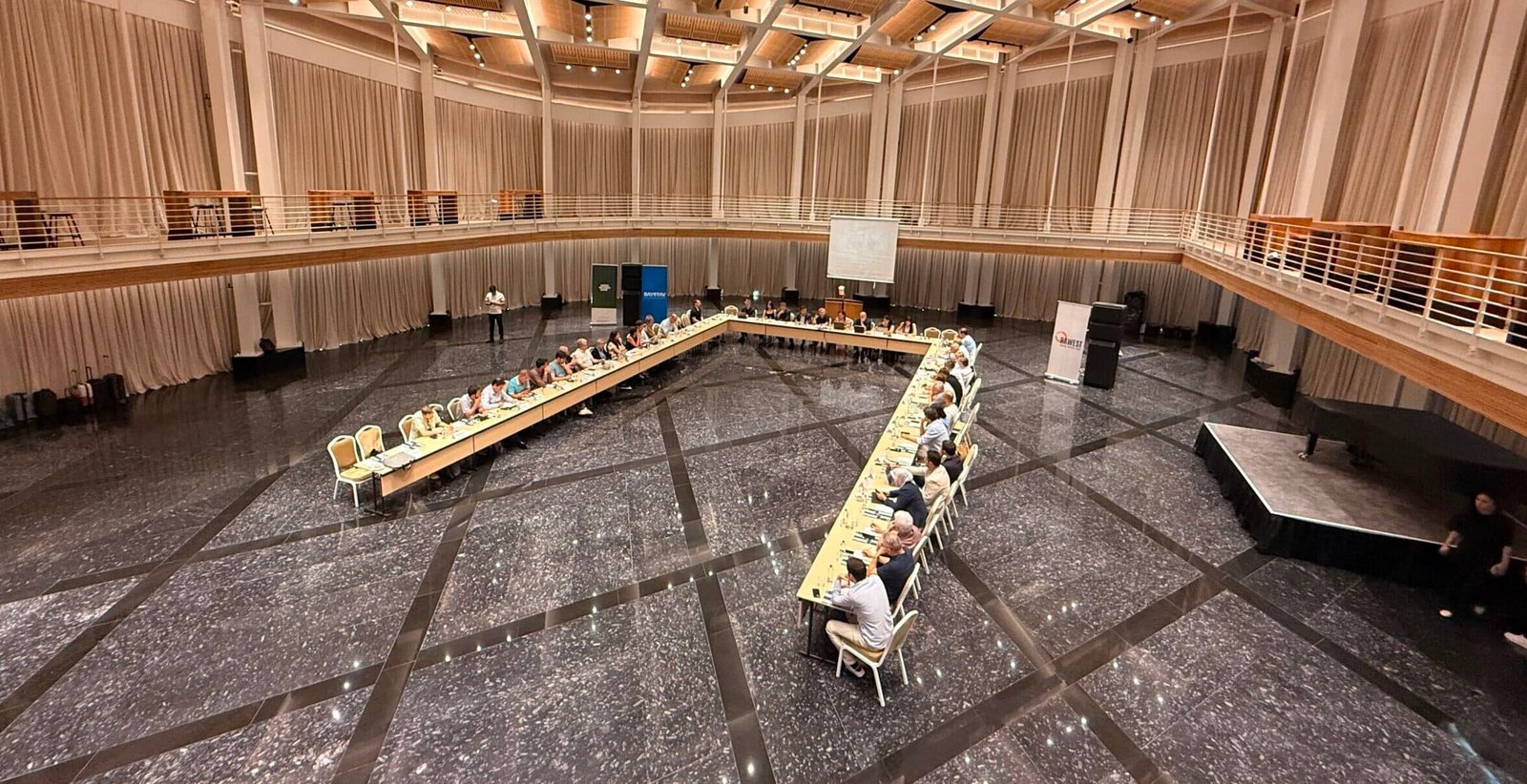
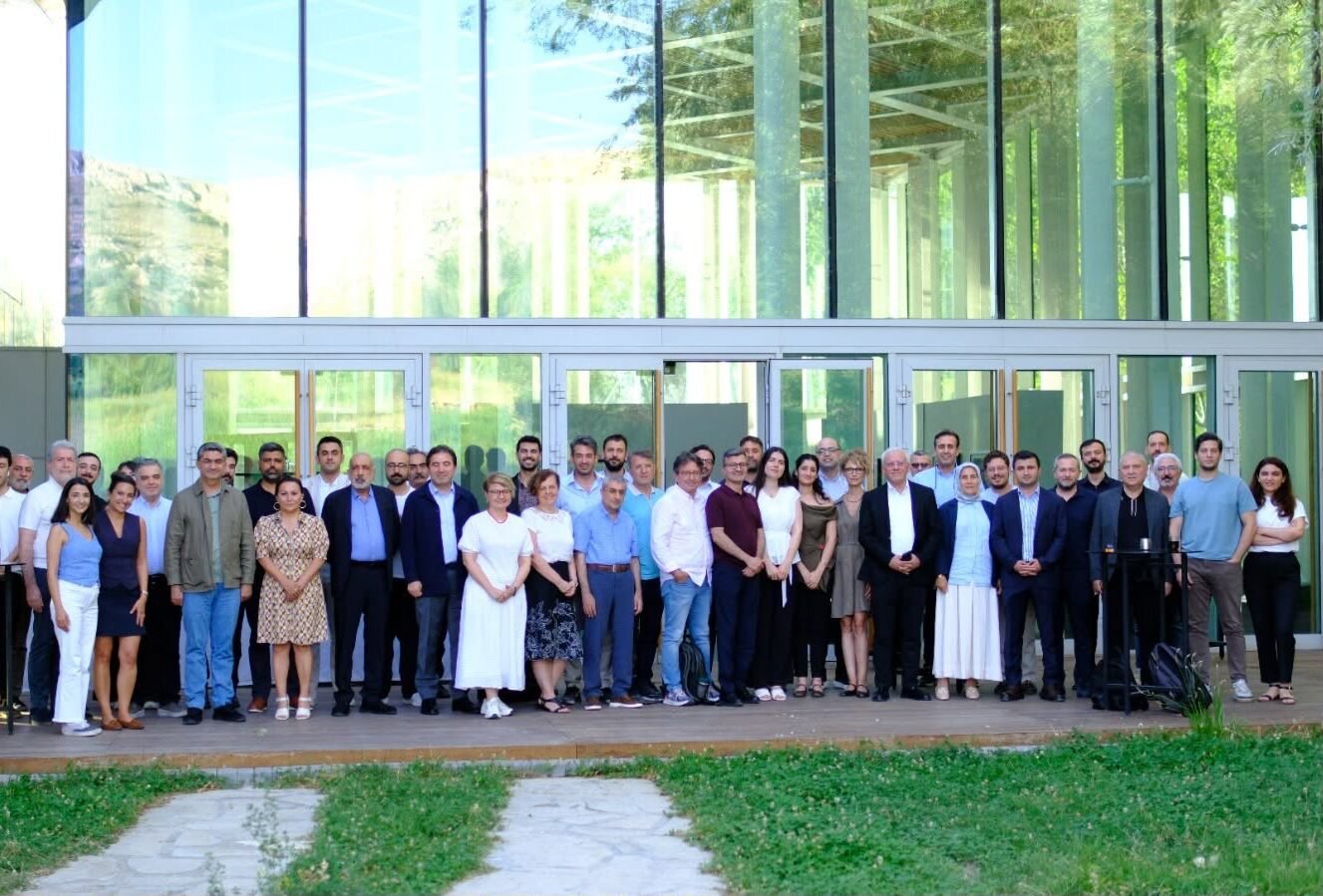
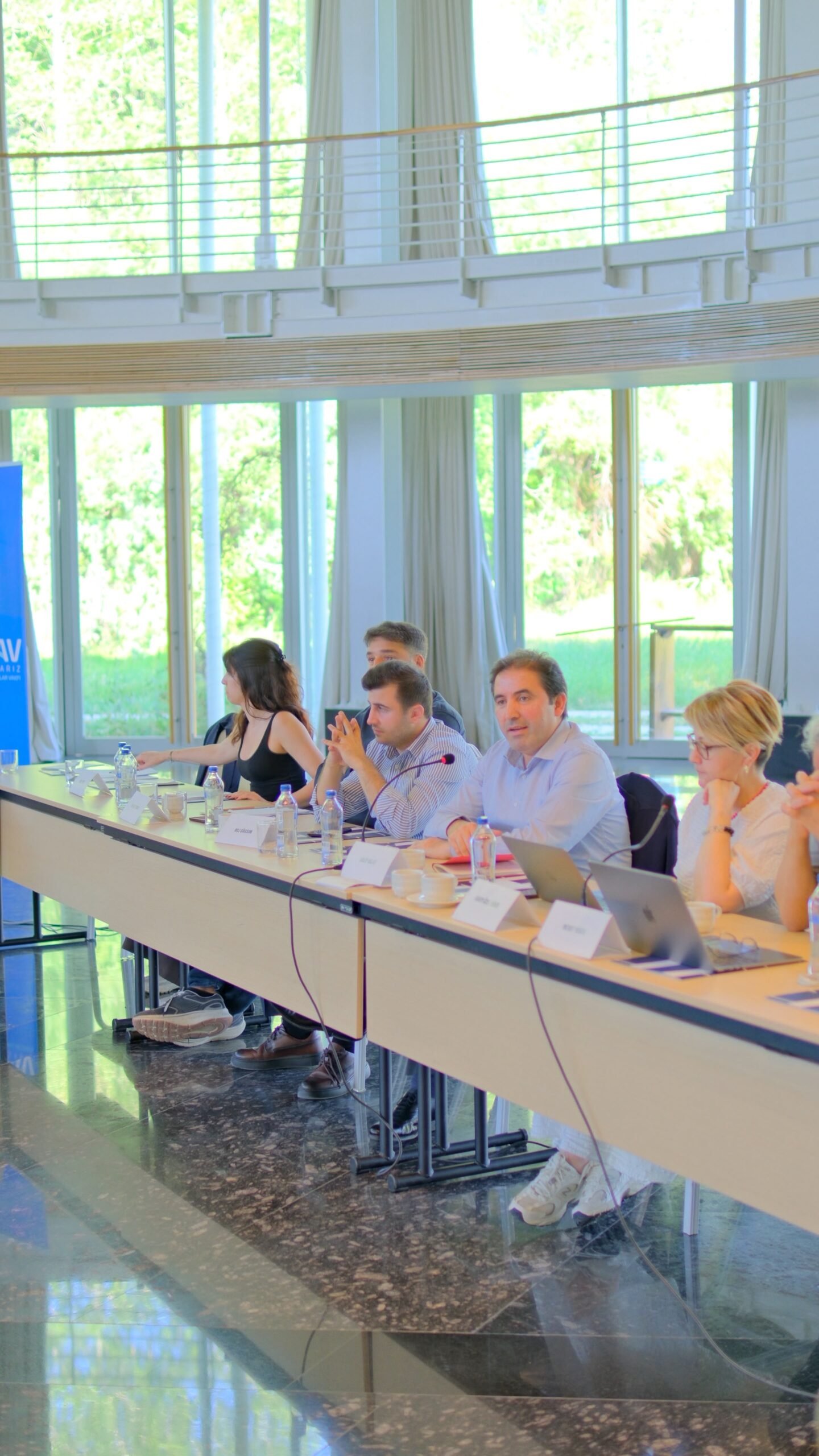
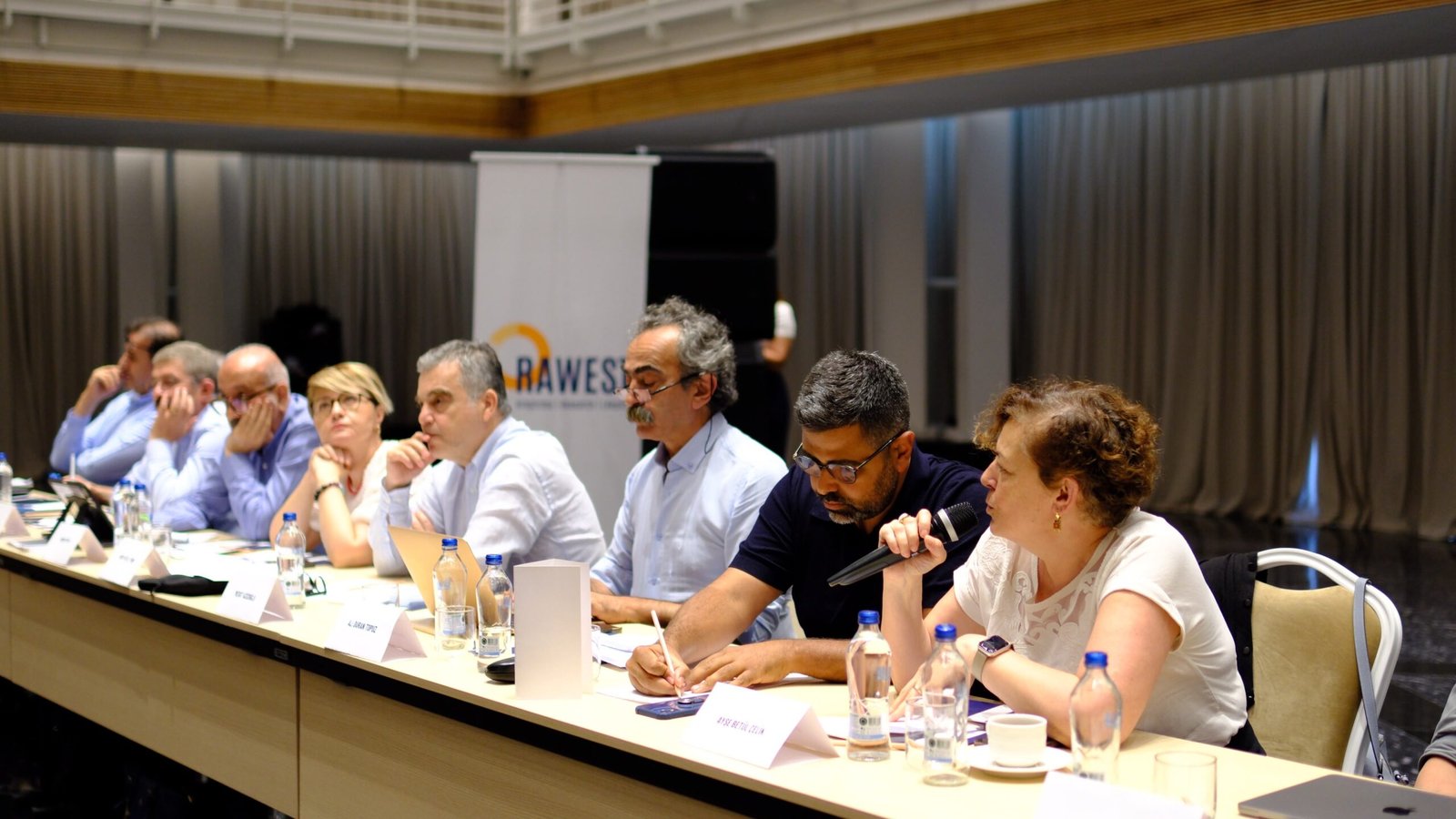
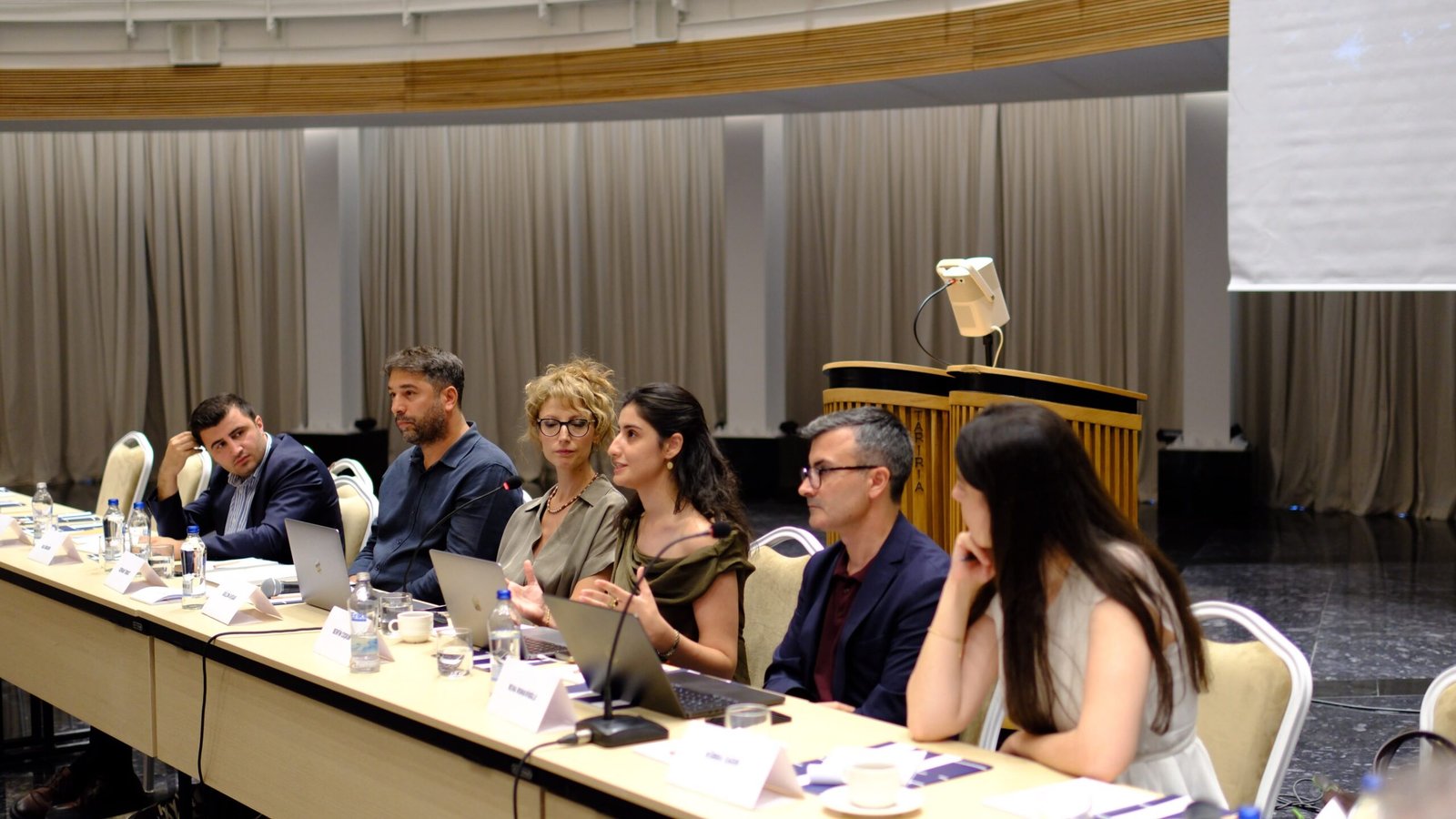
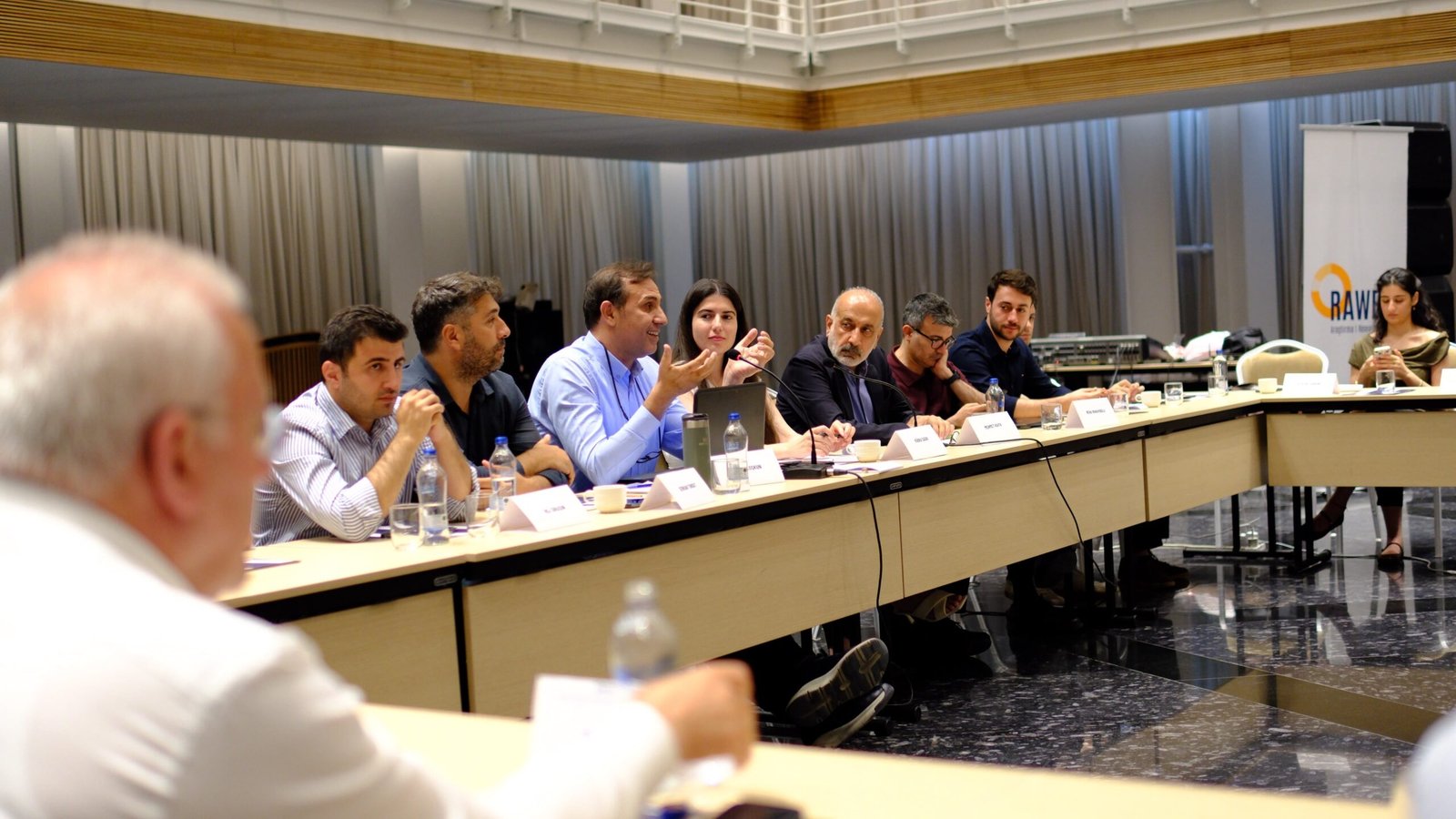
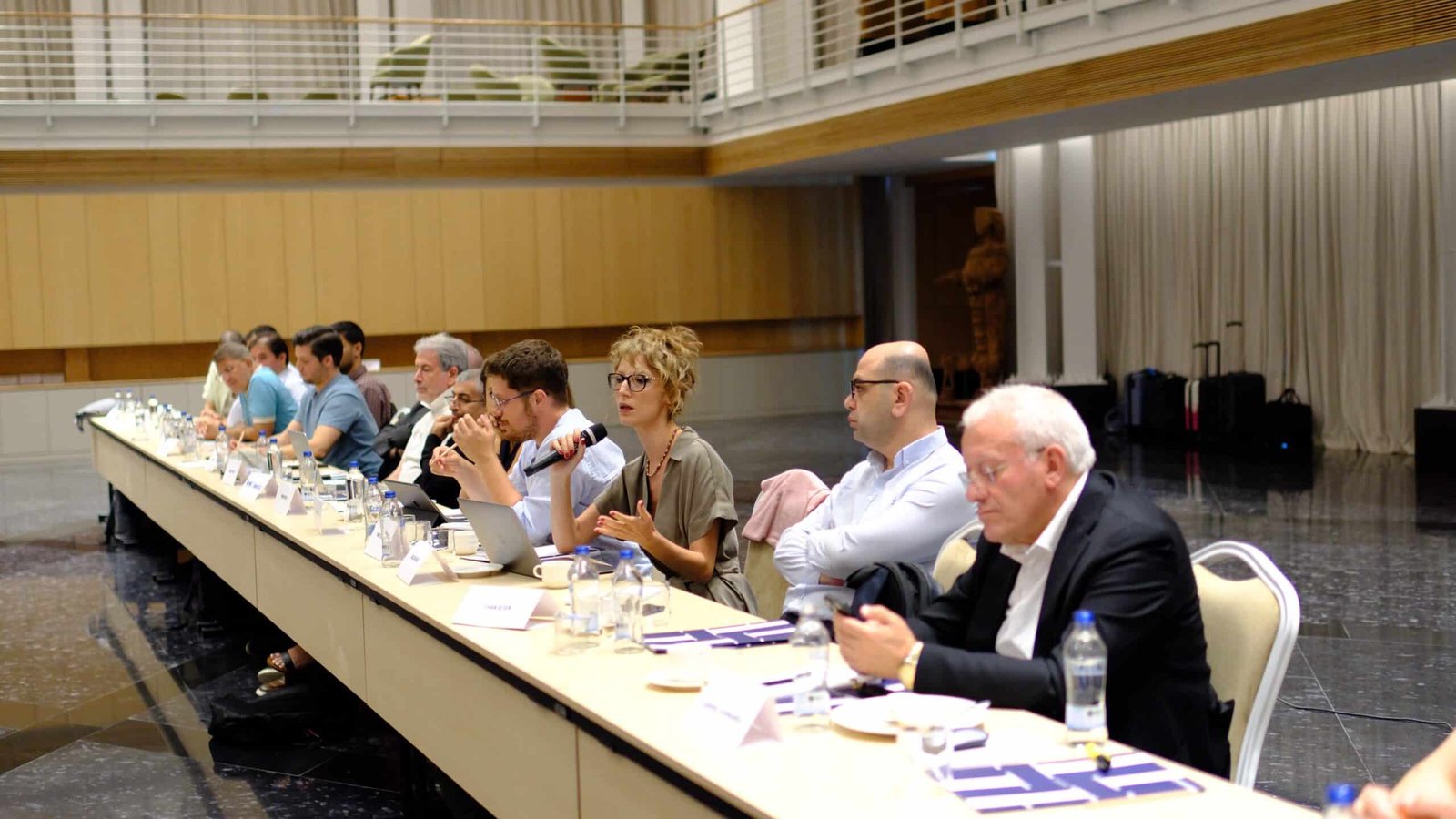
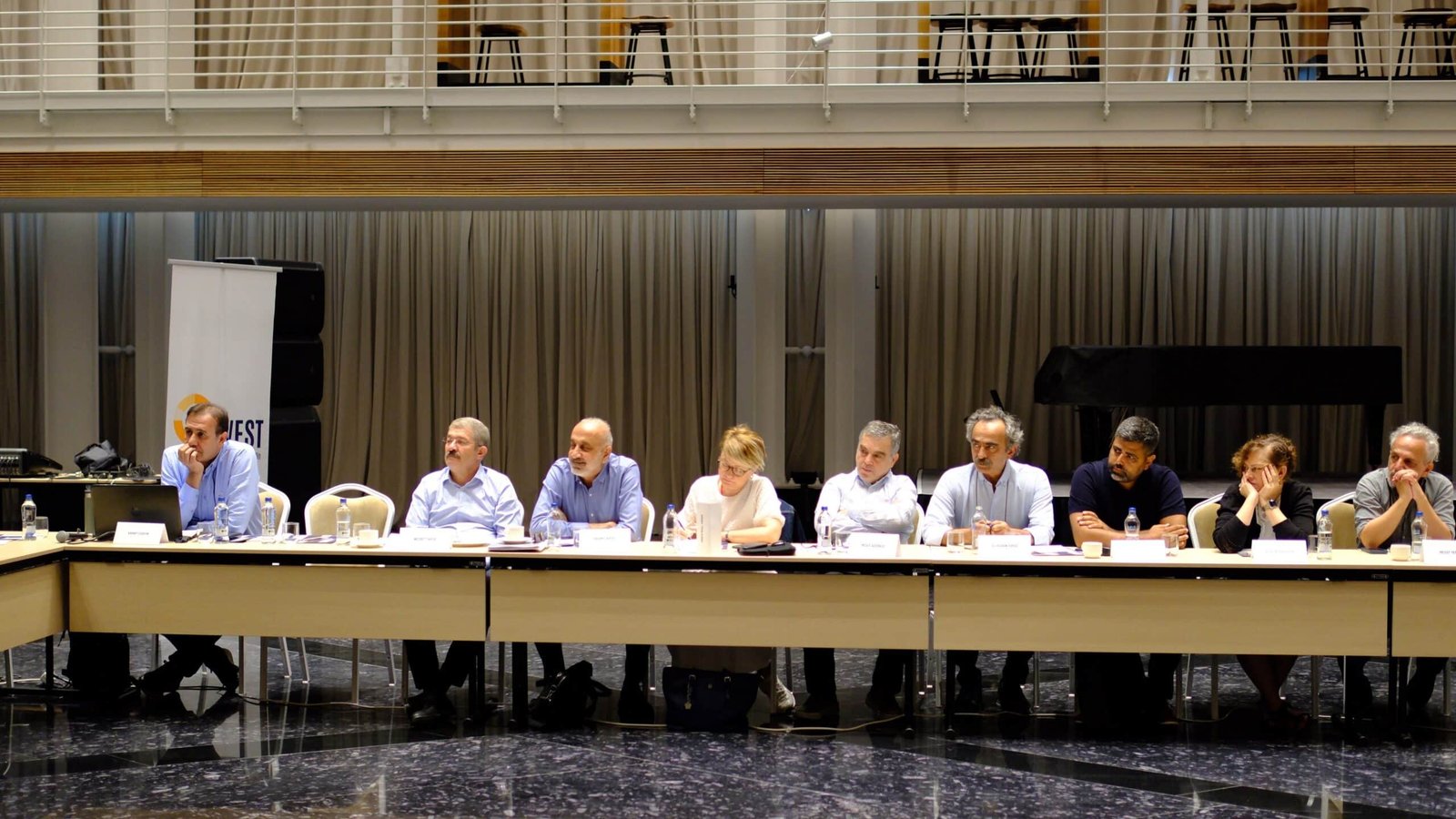
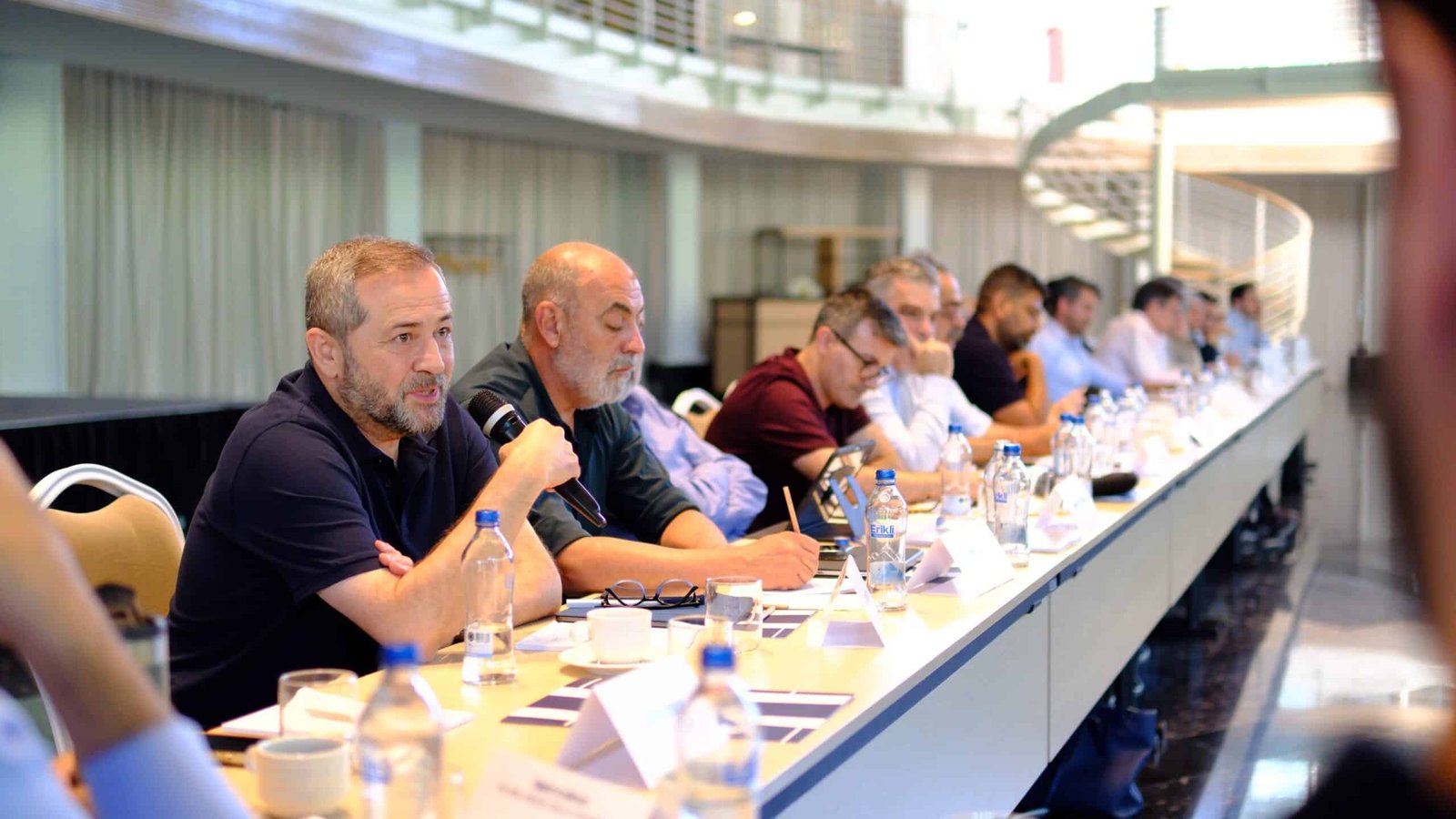
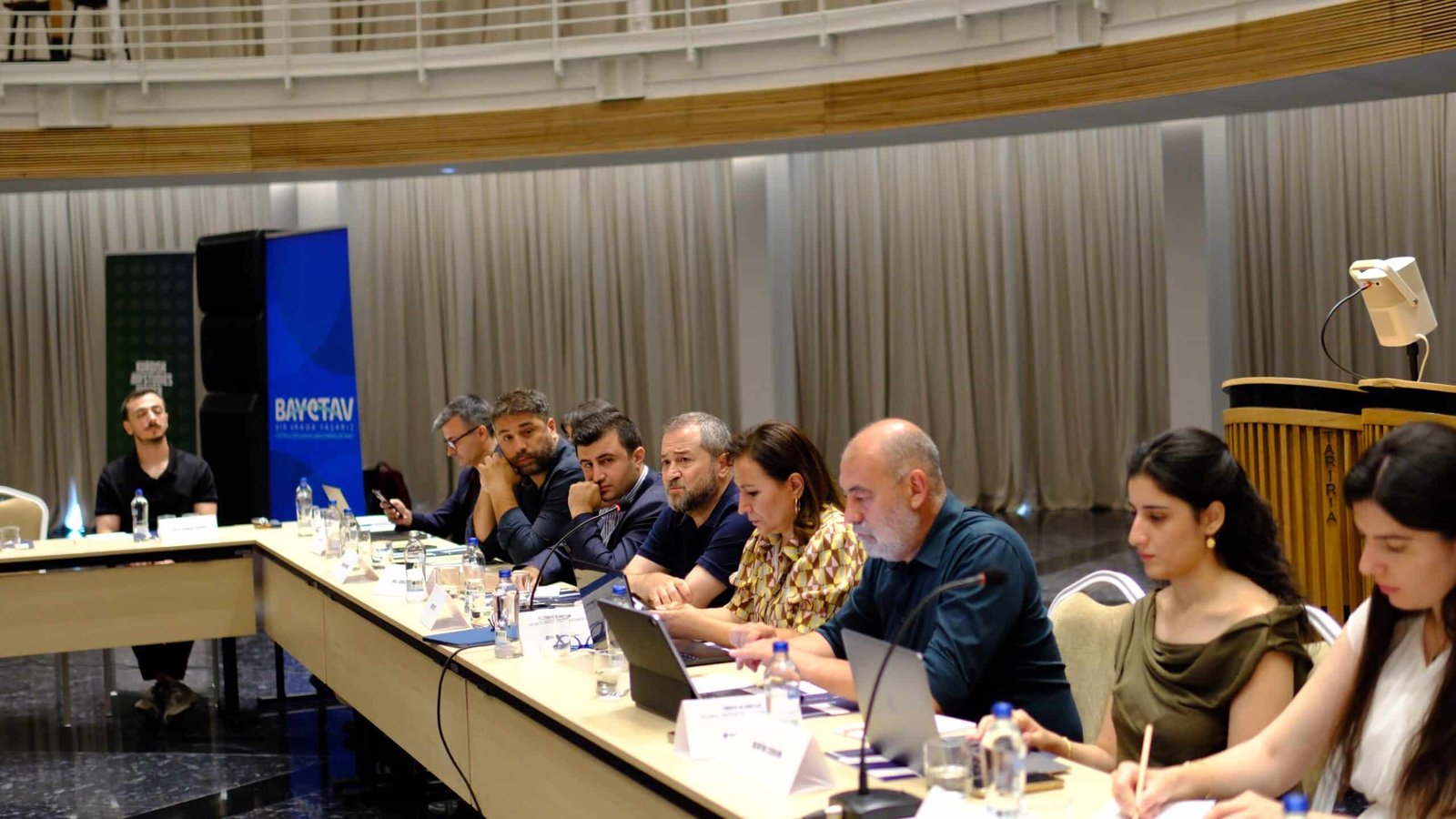
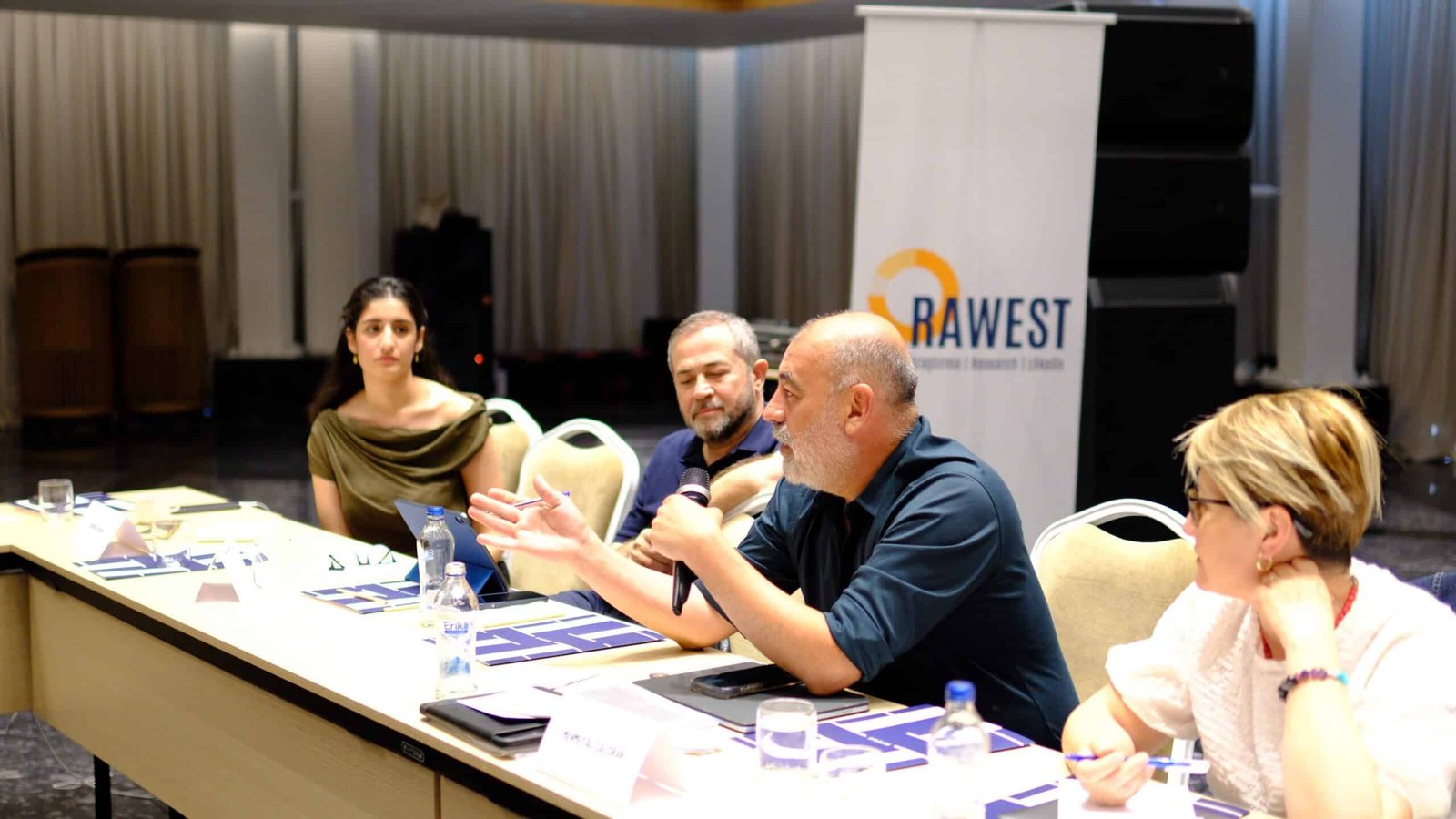
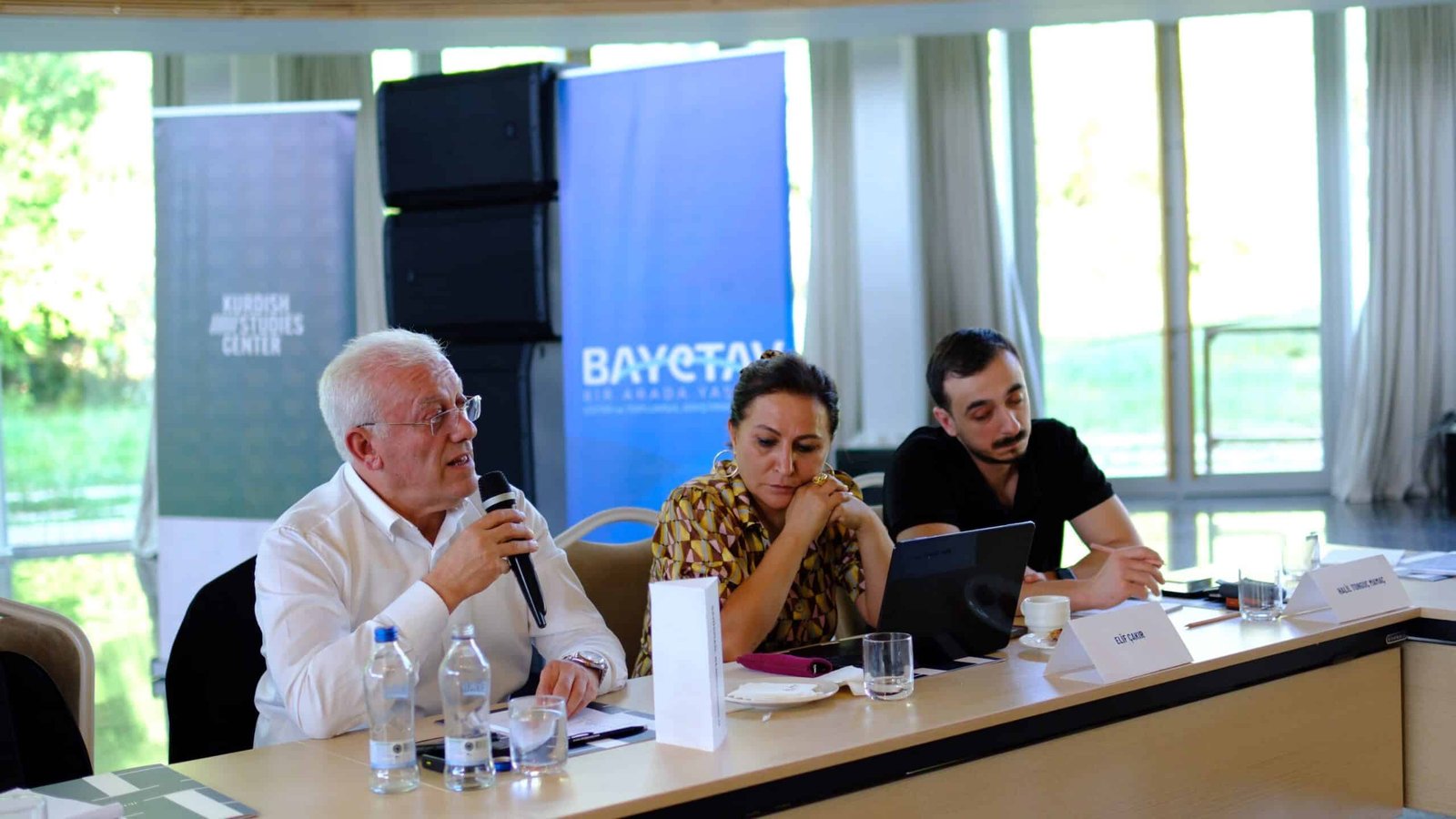
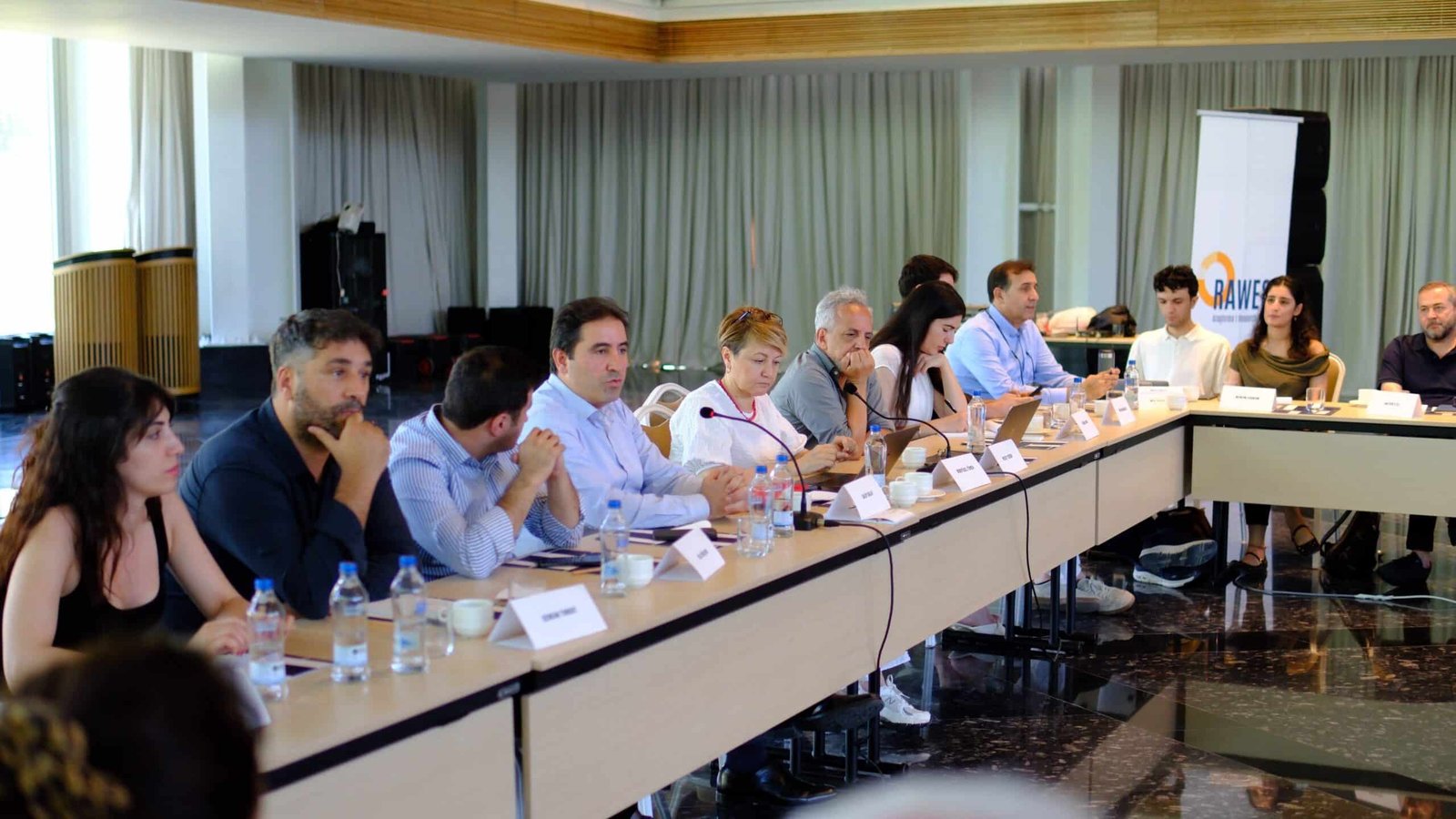
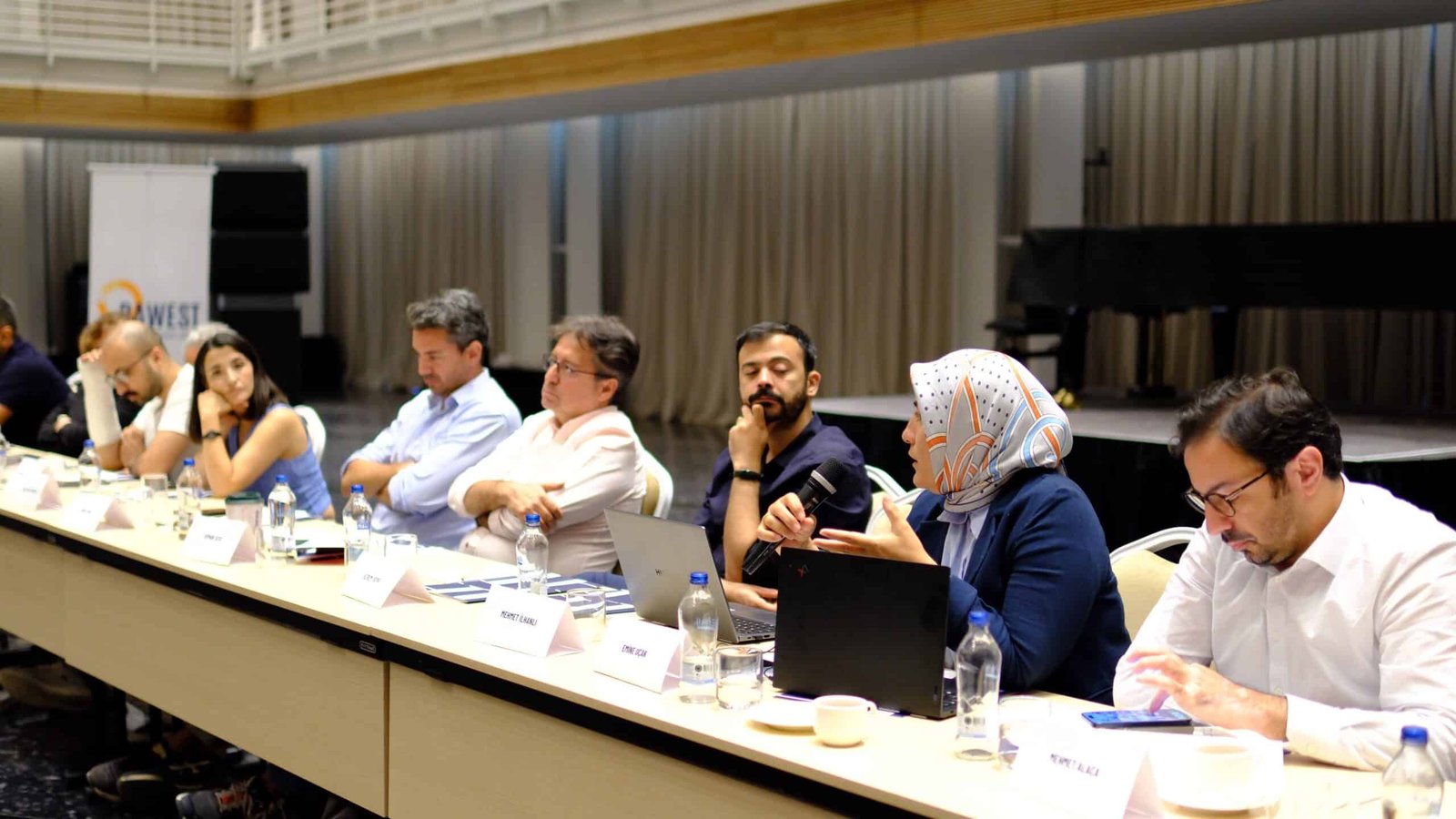
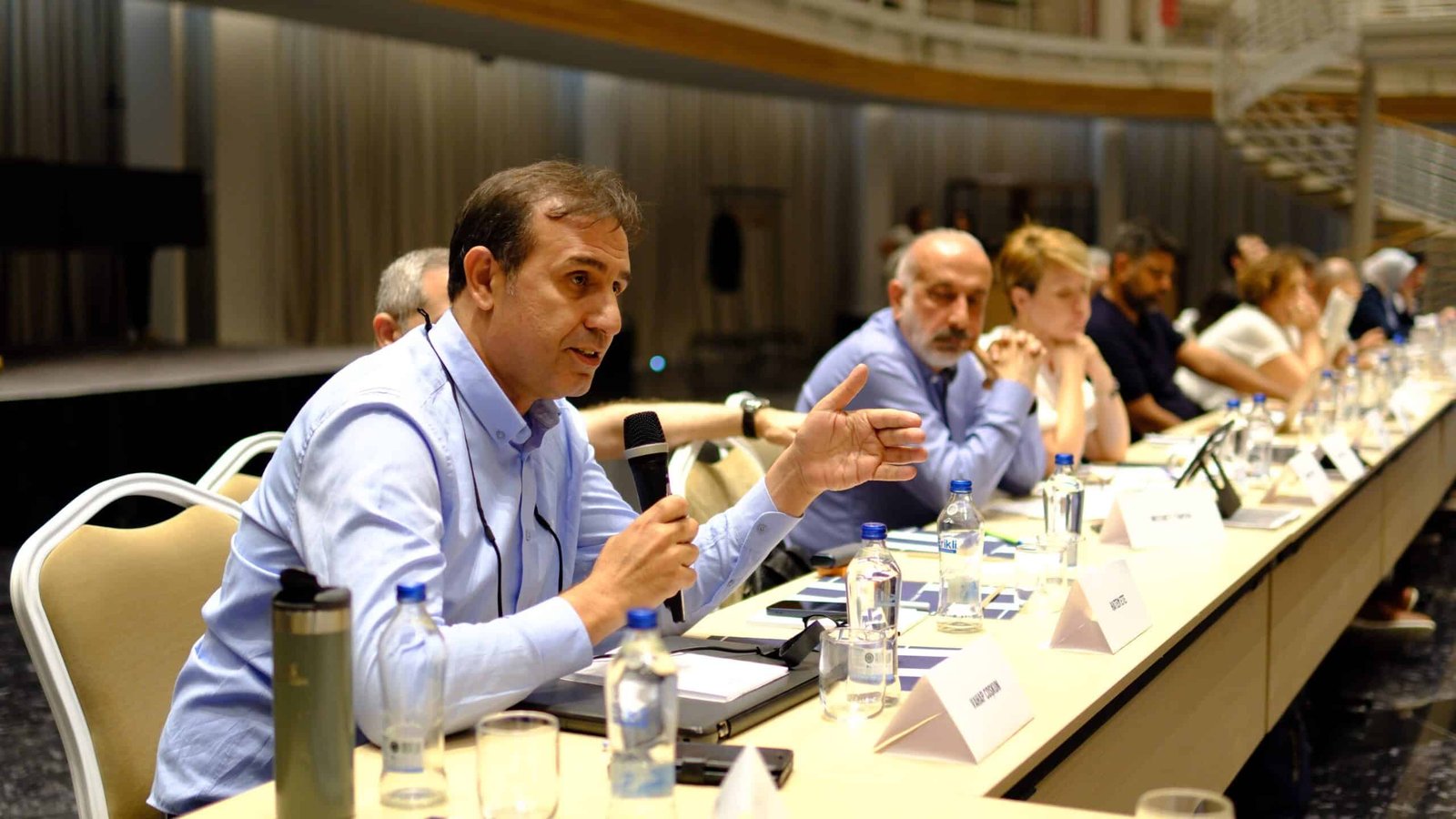
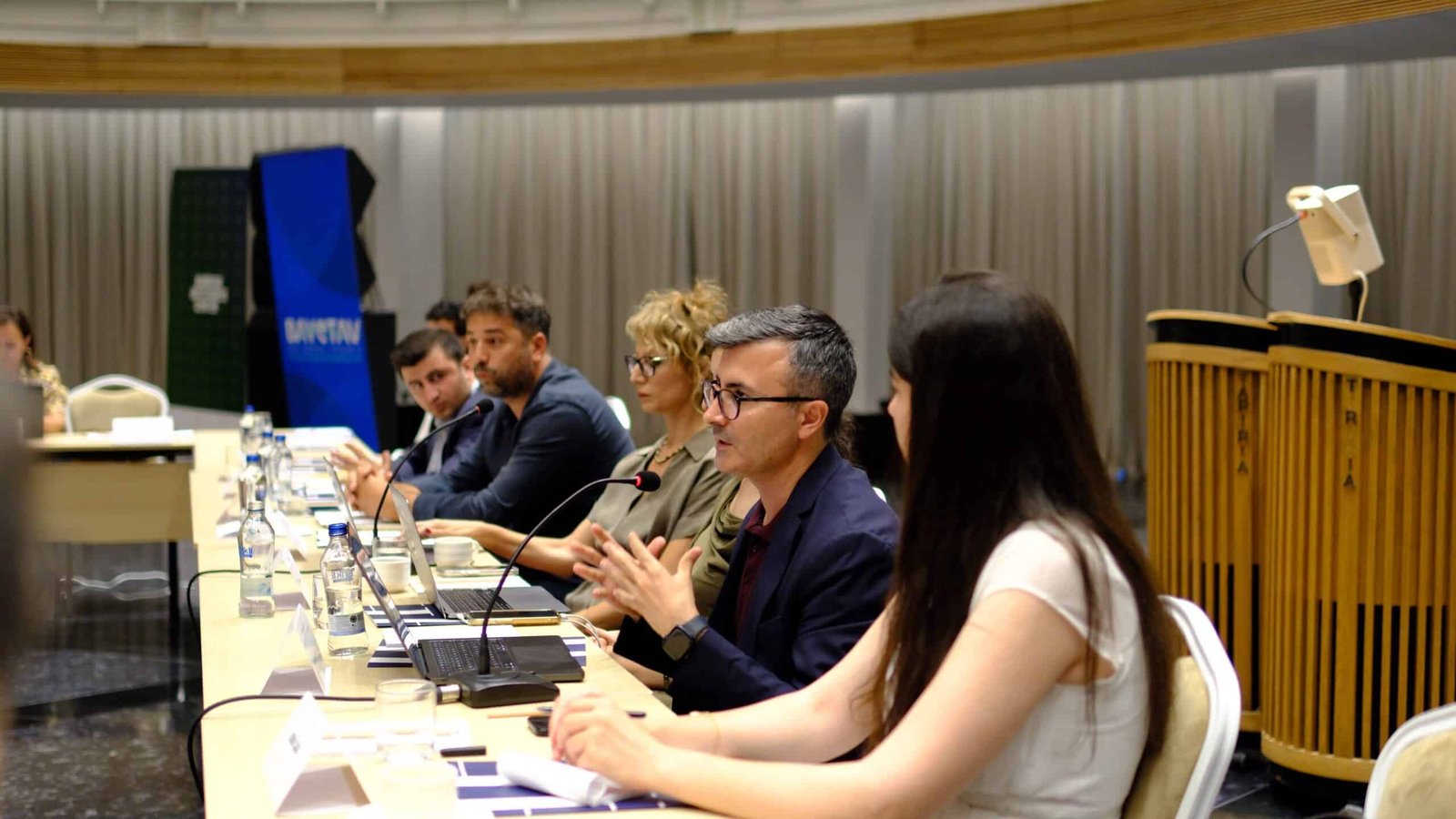
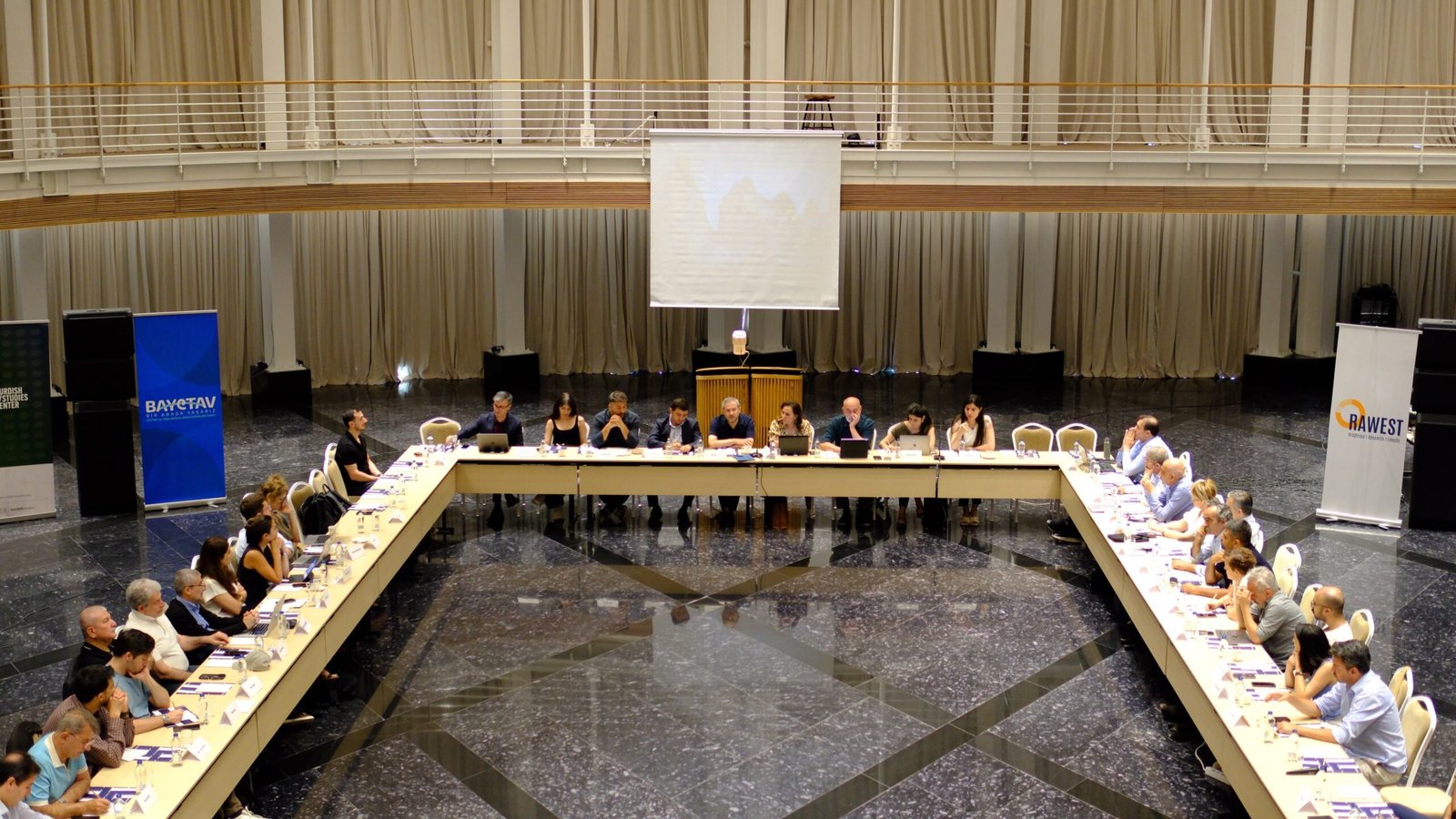
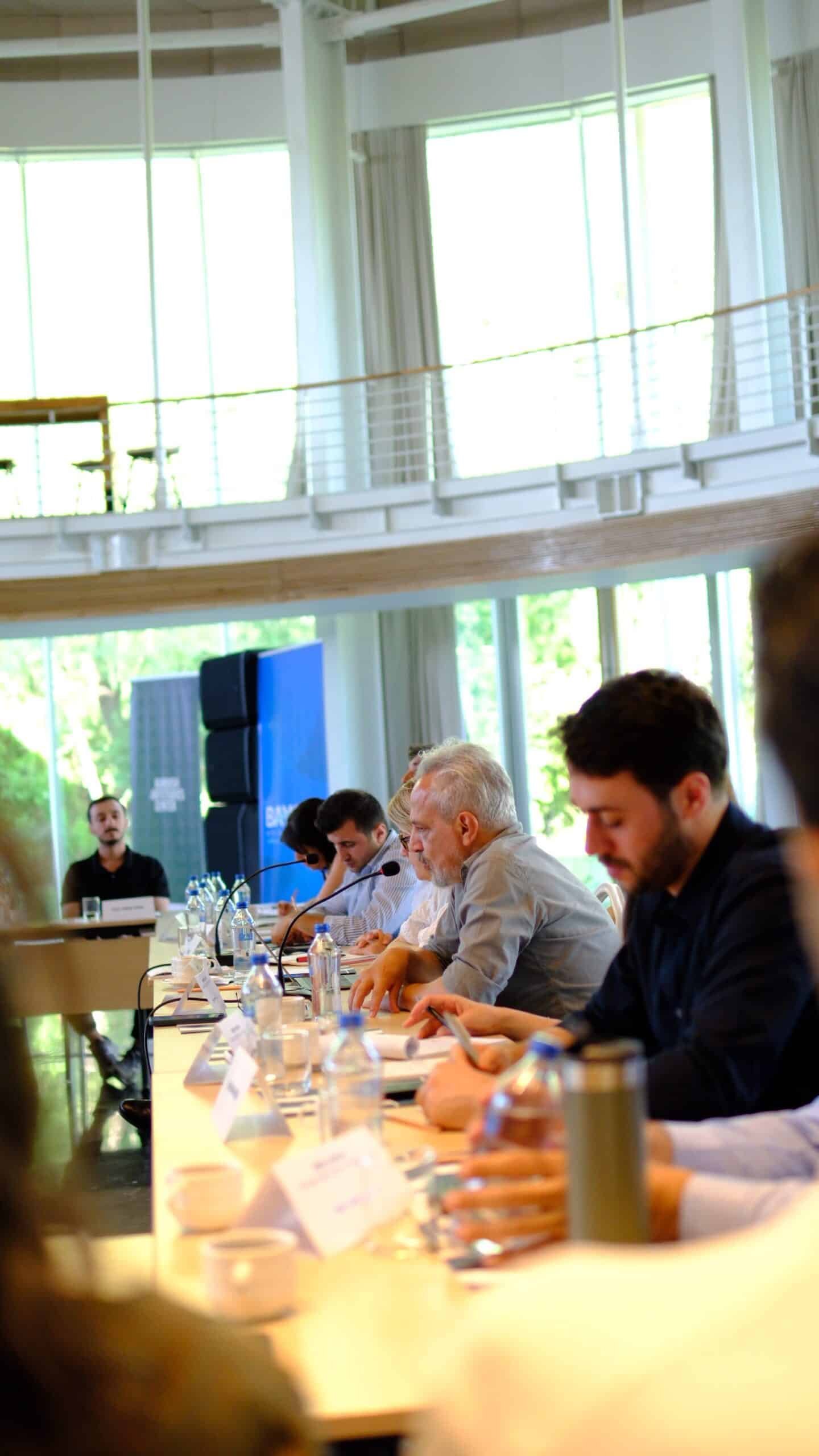
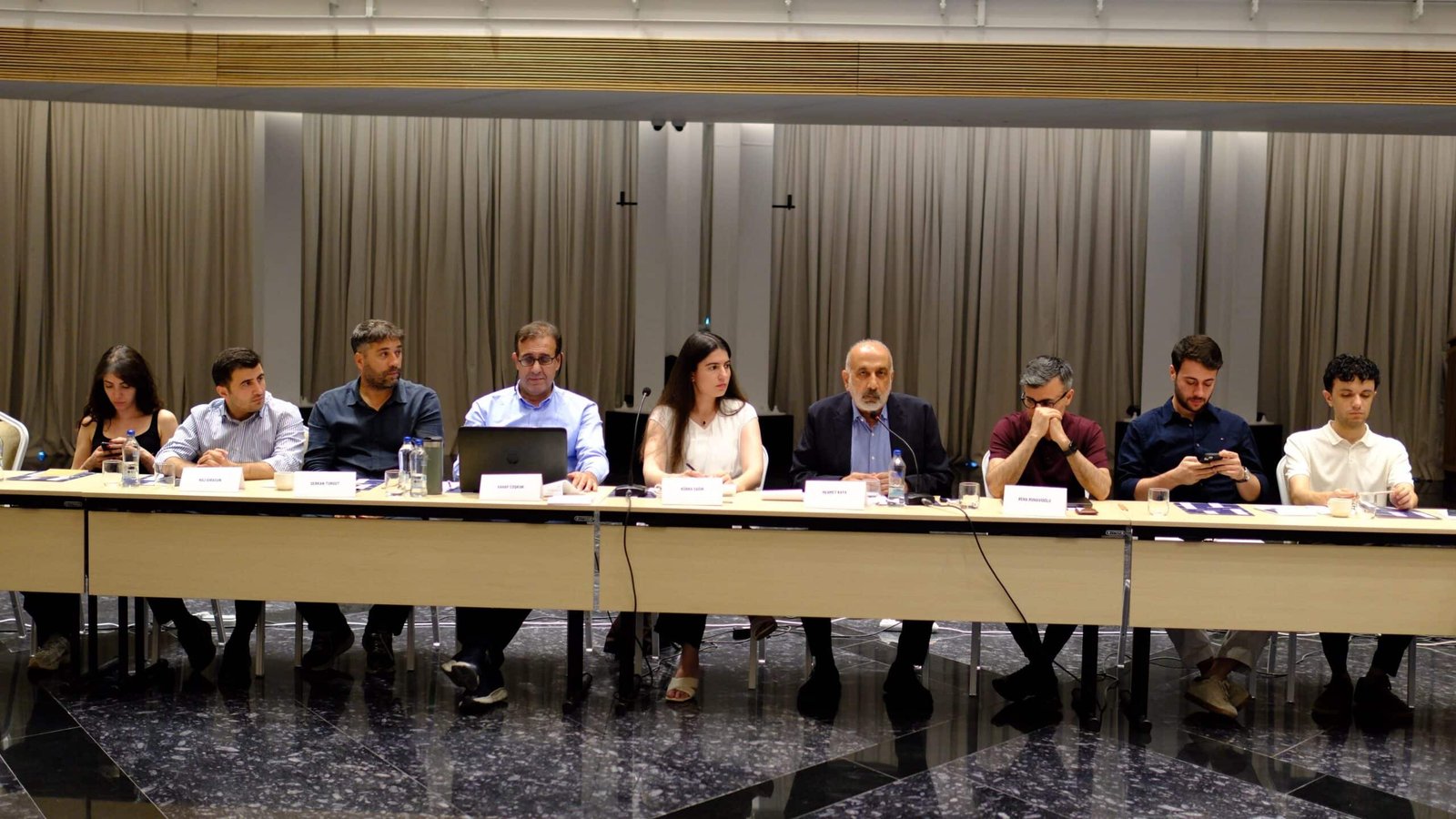
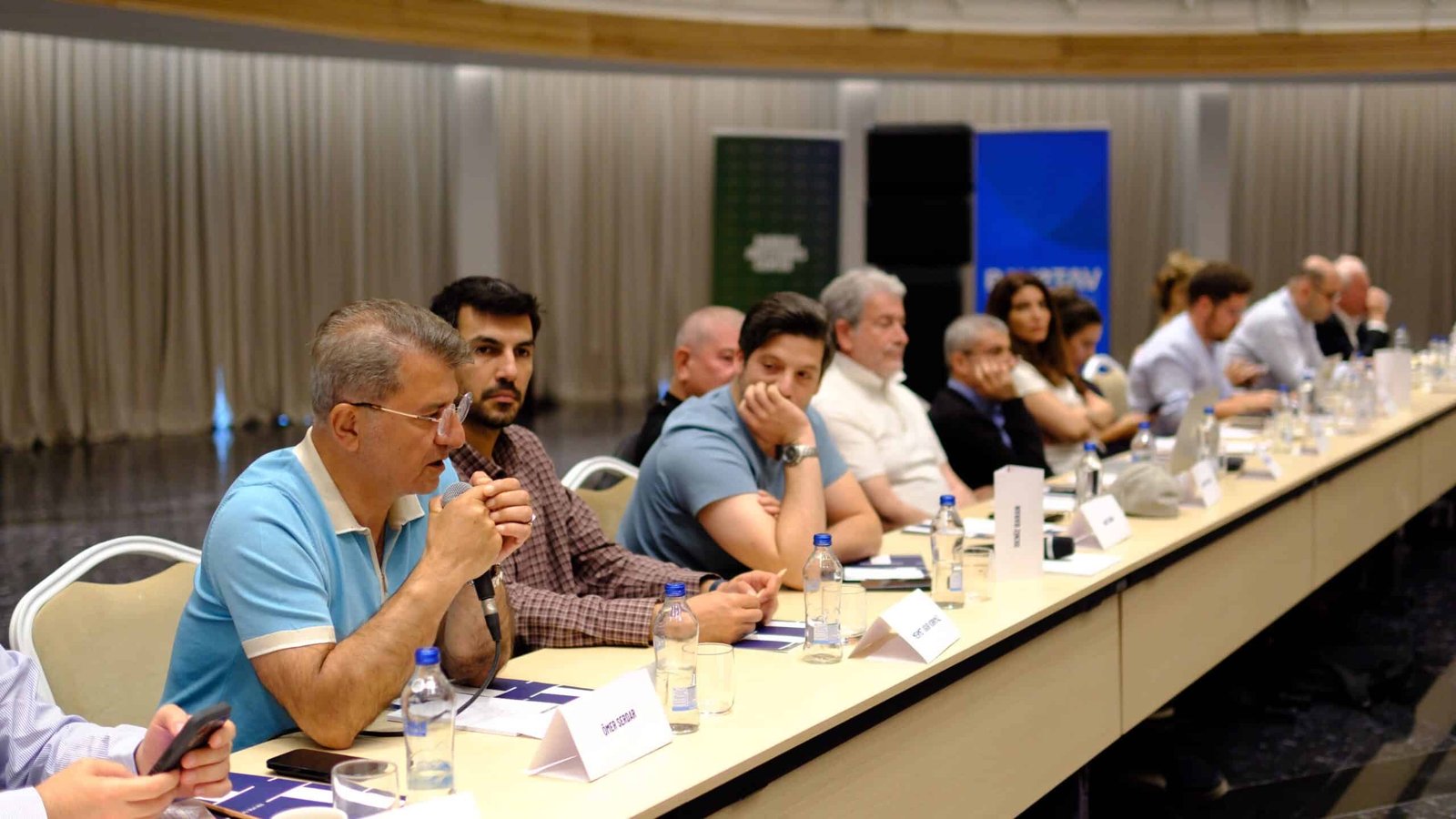
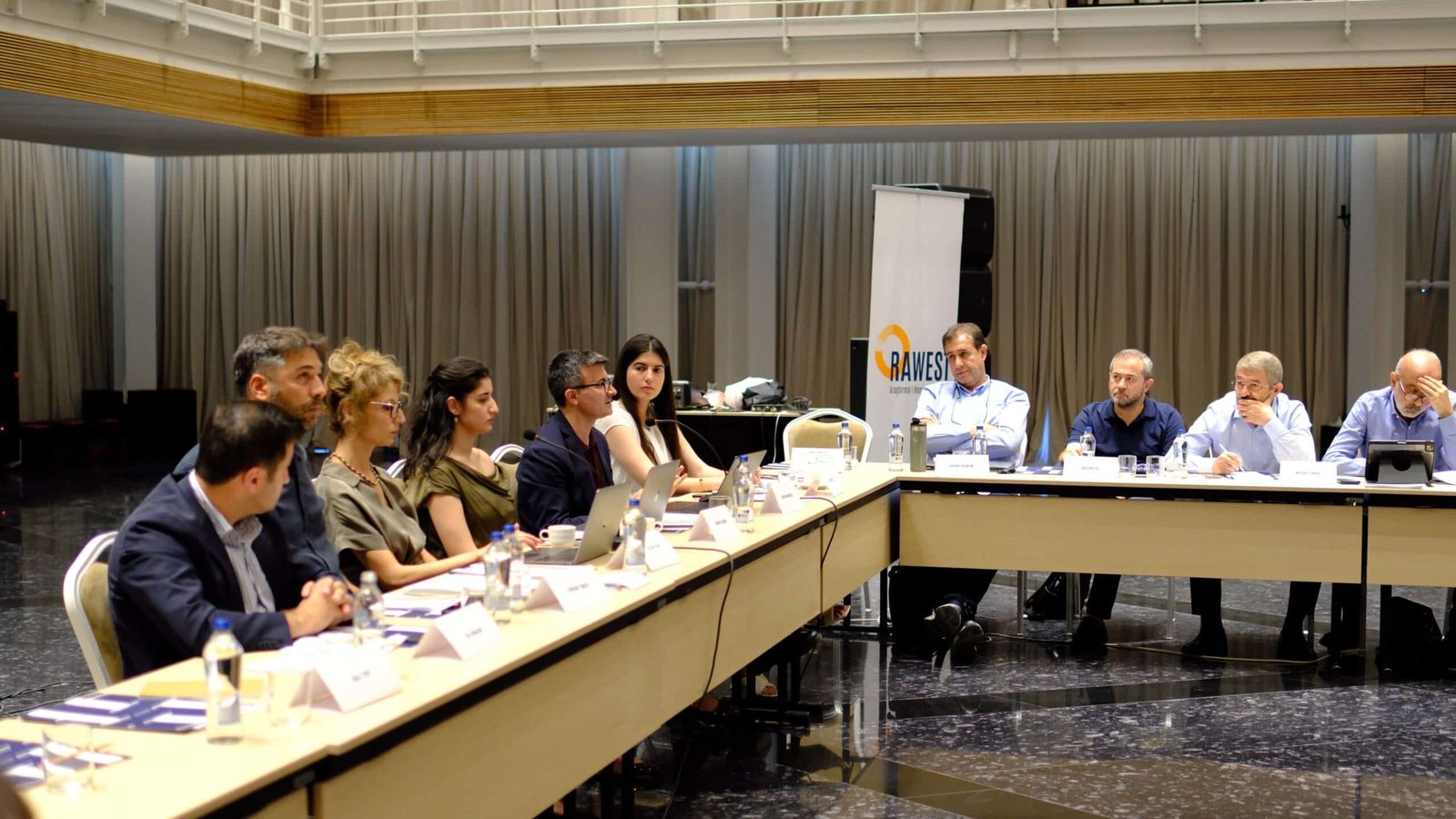
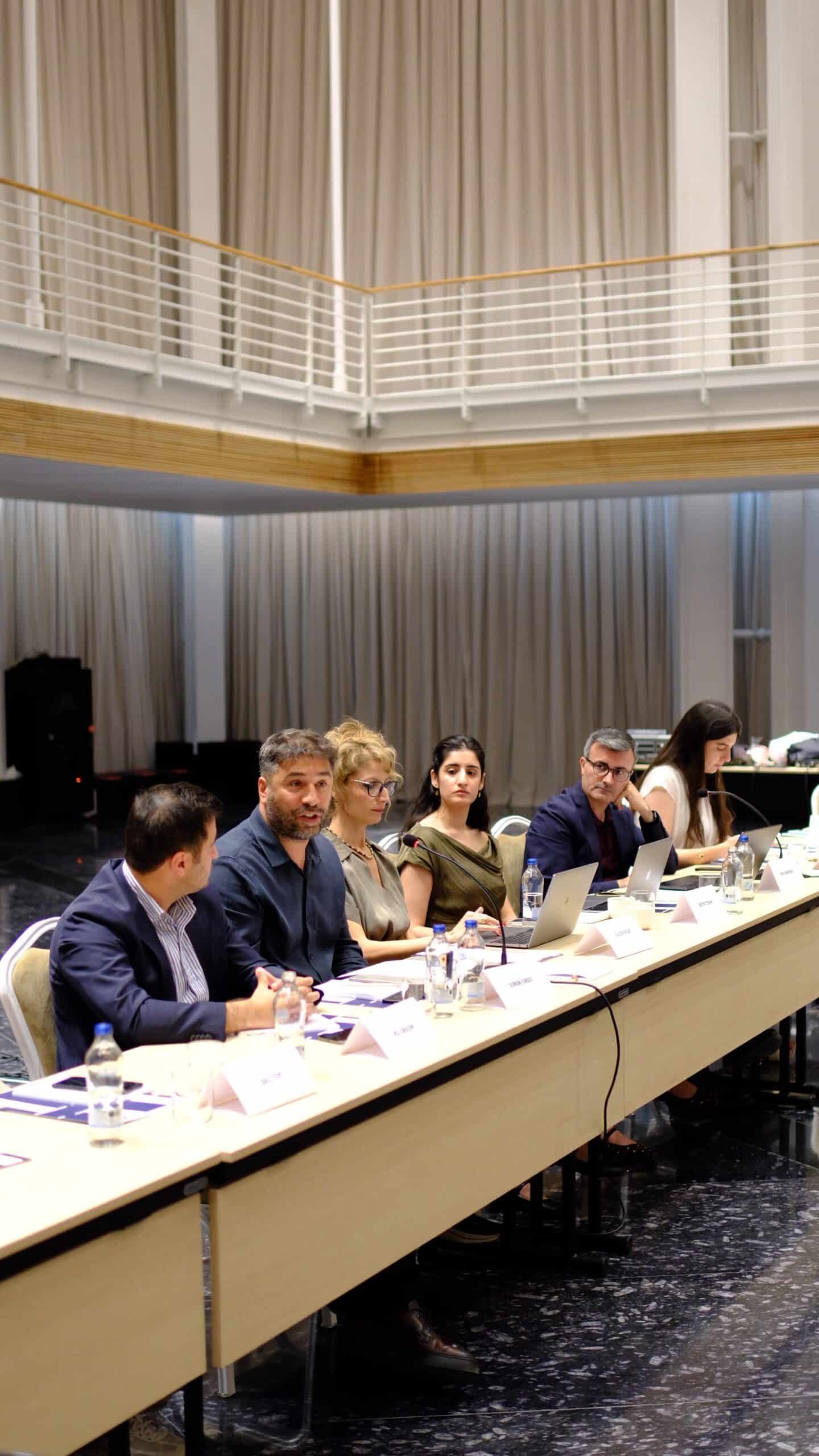
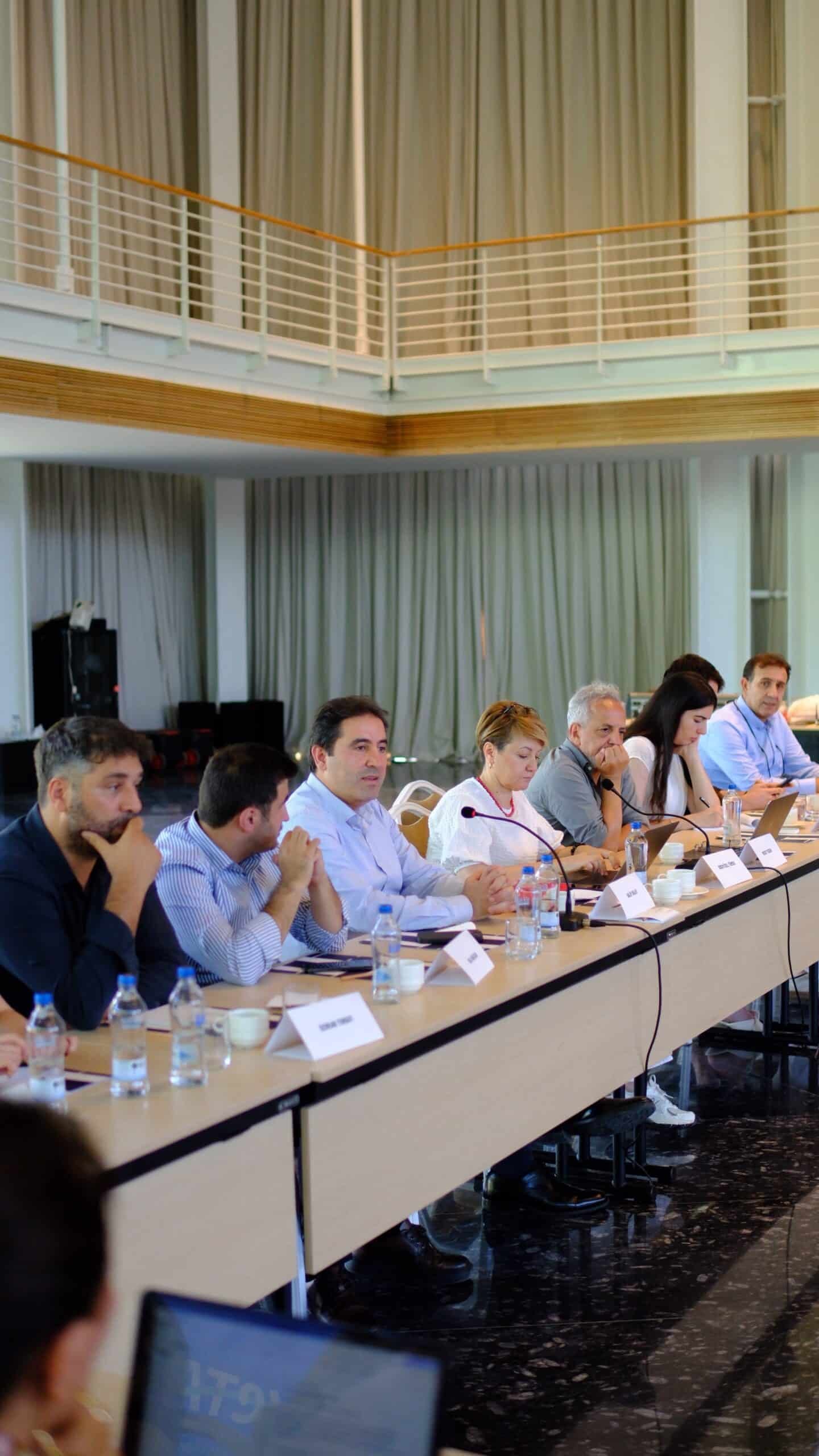
The Kurdish Studies Center, in cooperation with BAYETAV and Rawest Research, held a workshop in Van titled “Türkiye and the Kurds: Social Transformation, the Process and New Dynamics.” Members of parliament, academics, journalists, civil society representatives and members of the sports community took part. The meeting took place on Saturday, 25 July, at the Tariria Culture, Arts and Gastronomy Center in Van. Over four sessions, participants discussed the transformation that Türkiye and Kurdish society have been going through.
The program opened with a speech by Roj Girasun, Director of Rawest Research.
The first session, “The Social Transformation of Türkiye,” was moderated by journalist Elif Çakır. Prof. Hatem Ete, President of the Ankara Institute, and researcher Mehmet Ali Çalışkan assessed the political, social and cultural changes of the last quarter century. The speakers discussed how changing views of nationalism and Turkish identity have shaped the Kurdish issue, and how Turkish society’s attitudes on this issue have developed over time.
The second session, “The Transformation of the Kurds: Identity, New Carriers and Social Dynamics,” was moderated by lawyer Gülçin Avşar. Reha Ruhavioğlu and Berfin Coşkun from the Kurdish Studies Center, together with Dr. Serkan Turgut, Director of BAYETAV Academy, examined how the Kurdish political and cultural movement has changed over the past twenty years. The session focused on who carries Kurdish identity today and who will carry it in the future, as well as new forms of identity expression emerging in sports, culture and civic life.
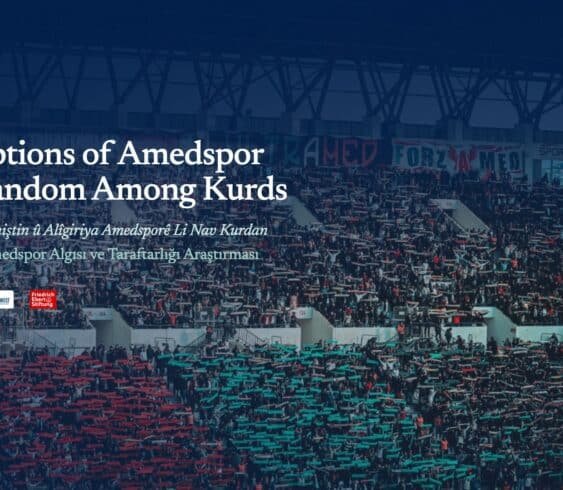
After lunch, the third session, “A New Phenomenon in Türkiye’s Stadiums: Amedspor,” was moderated by Kübra Sağır, a doctoral researcher at the University of Virginia. Mehmet Kaya, President of the Diyarbakır Chamber of Commerce and Industry and a member of the Amedspor Advisory Board, and Assoc. Prof. Vahap Coşkun from Dicle University discussed how Amedspor, as a visible reflection of change in Kurdish society, has grown into a civic and cultural movement. They also asked whether football stands can serve as an alternative public space in Kurdish provinces, and what this mobilization might mean for Kurdish identity and politics.
The workshop ended with a closing session moderated by Didem Özel Tümer, Ankara Representative of Milliyet newspaper. In the session titled “Looking Ahead: The Process, Expectations and Possible Scenarios,” Galip Dalay, Senior Research Fellow at Chatham House, and Prof. Mesut Yeğen, Board Member of the Kurdish Studies Center, assessed how the process has developed so far, shaped by regional developments and Türkiye’s domestic political balances. The speakers discussed what new social and political agendas the disarmament and return process might create, and what changes may lie ahead for Kurdish politics in the post-PKK period.
Throughout the sessions, a wide group of participants, including members of parliament, academics and journalists, took the floor and contributed to the discussions. Key themes included the effects of Türkiye’s social transformation on the Kurdish issue, the current carriers of Kurdish identity, the political meaning of mobilization in sports and culture, and the possible directions the process may take in its regional and domestic political context.
The Kurdish Studies Center thanks BAYETAV and Rawest Research for this cooperation, and the Heinrich Böll Stiftung Türkiye Representation for its support. We are also grateful to all participants, whose contributions enriched the discussion, and to our team members, who worked hard to make the workshop run smoothly.
İÇERİKLER